

The Fireray One has a detection range of up to 120m with the Reflective Long Range Kit.
Frequently Asked Questions
Have a question about our fire detection systems?
Find clear, straightforward answers to our most common questions here.
From technical support to product specifications, get the expert guidance
you need to save time and resolve queries efficiently.
Find clear, straightforward answers to our most common questions here.
From technical support to product specifications, get the expert guidance
you need to save time and resolve queries efficiently.
Beam Smoke Detection
Find answers to common questions about beam smoke detection.
Fireray One
Find answers to common questions about the Fireray One beam smoke detector.
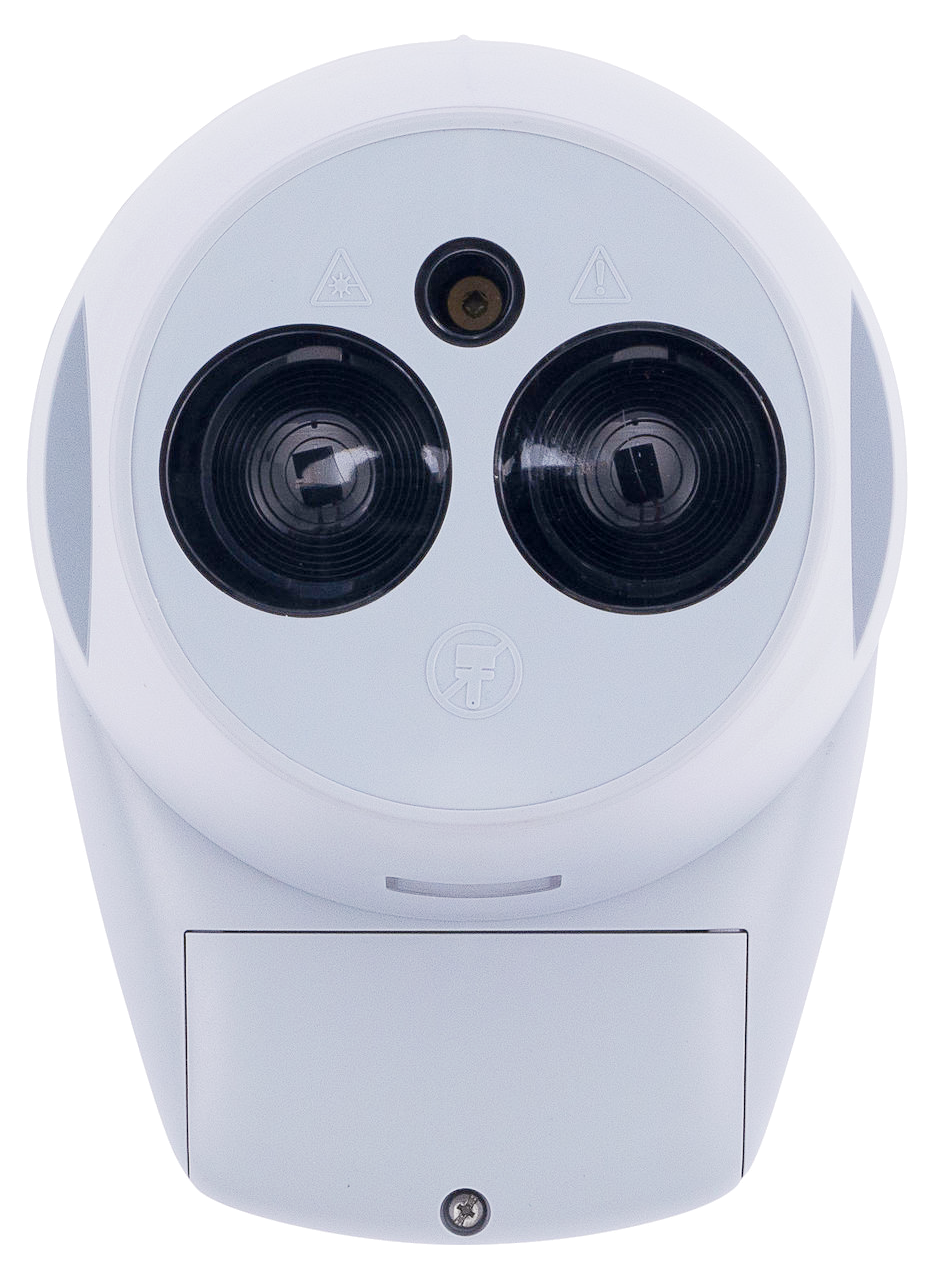
What is the detection range of the Fireray One?
Can this detector be installed by just one person?
Yes. The entire installation and alignment process has been designed for a single technician, with no need for specialist tools or a second person at the reflector.
Can the Fireray One be used in buildings that are prone to movement?
Yes, the Building Movement Tracking™ feature compensates for natural shifts in alignment from building movement.
How does the Fireray One prevent false alarms?
The Fireray One uses Light Cancellation Technology™ to compensate for sunlight and artificial light sources, and Contamination Compensation to correct for dust build-up on the optics.
How does the system handle interference from other beams?
The Fireray One uses Dynamic Beam Phasing, which allows multiple detectors to be installed facing each other without causing interference or false alarms from signal cross-talk.
Fireray Hub Reflective
Find answers to common questions about the Fireray Hub Reflective beam smoke detector.
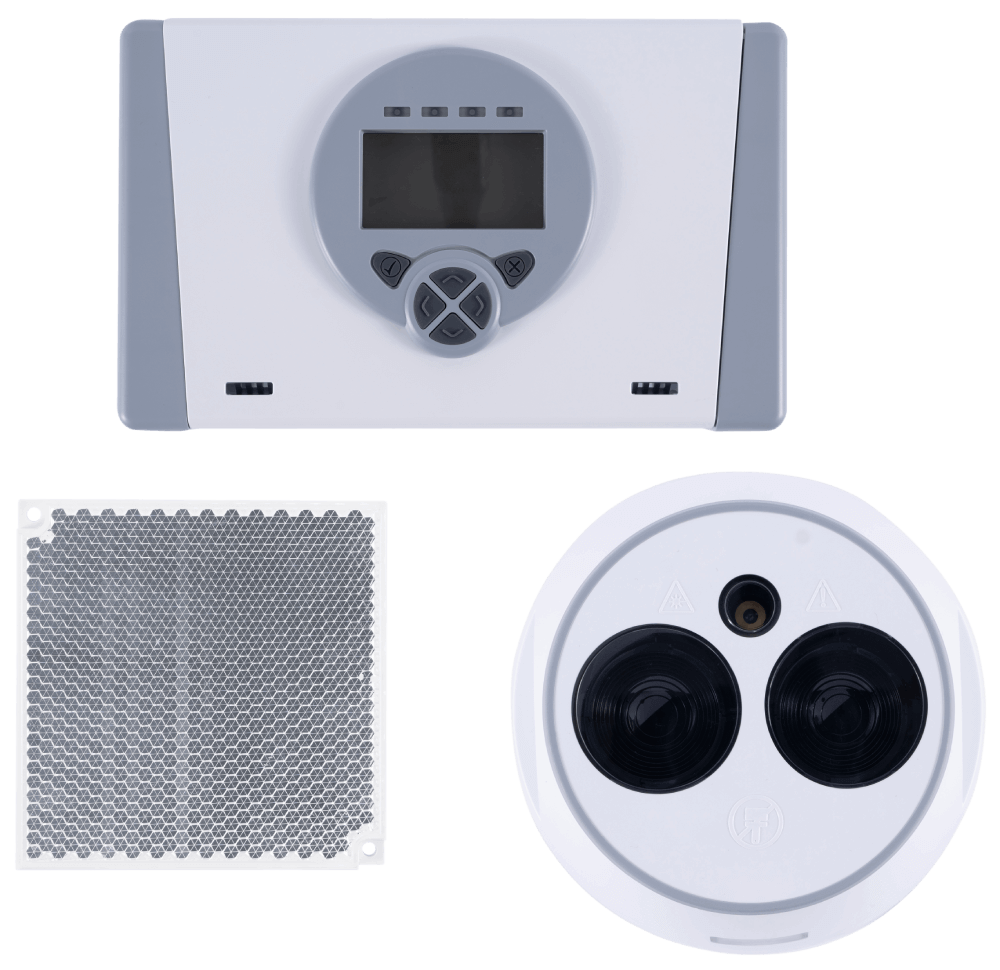
How does the motorised auto-alignment work?
The motorised auto-alignment and ground-level controller are designed to allow for a one-person installation. The installer directs the visible laser from the detector head onto the prism. Once aimed, pressing a button on the low-level hub activates the motorised alignment. The detector then automatically makes fine adjustments to find the centre of the prism, ensuring optimal performance without needing manual alignment at height.
What is Light Cancellation Technology™?
It is an advanced feature that allows the detector to distinguish between smoke-related obstructions and interference from other light sources, such as sunlight or high-intensity lighting. This significantly reduces the risk of false alarms while maintaining high detection sensitivity.
How many detector heads can one hub support?
A single Fireray Hub Reflective controller can connect to and manage up to three individual detector heads. Each head reports its fire and fault status independently, allowing for precise area identification from one central, ground-level location.
What information does the event log provide?
The hub stores up to 600 system logs, while each detector stores 128 logs. These logs are time and date stamped, providing a detailed history of fire and fault events, alignment status, and maintenance actions to enable quick and accurate fire and fault diagnosis.
What kind of environments is the Fireray Hub Reflective suitable for?
The system is ideal for large, open indoor spaces where access is difficult. Common applications include warehouses, aviation hangars, glass atria, sports stadiums, and heritage buildings. The IP65-rated hub and IP55-rated detectors ensure reliable operation in dusty or damp conditions.
Fireray 5000
Find answers to common questions about the Fireray 5000 beam smoke detector.
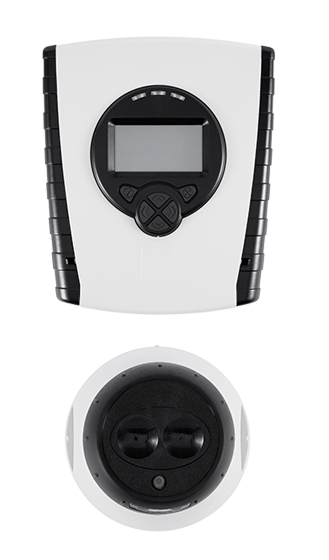
What is the maximum range of the Fireray 5000?
The Fireray 5000 can be configured for a range of 8m to 100m, making it suitable for a wide variety of large, open spaces.
How many detector heads can be connected to one controller?
The system allows for up to two detector heads per system controller, which helps to reduce installation time and costs.
How does the Fireray 5000 handle building movement?
The Fireray 5000 features advanced building movement and contamination compensation, ensuring the beam remains aligned and reducing the risk of false alarms.
Is the Fireray 5000 compliant with international standards?
Yes, the Fireray 5000 is approved to both EN54:12 and UL268 standards, making it suitable for use in a wide range of global applications.
Can the system be monitored and managed easily?
The Fireray 5000 includes a low-level system controller with a clear display, providing easy access to Fire and Fault diagnosis and an event log for the 50 most recent events per detector.
Fireray 3000
Find answers to common questions about the Fireray 3000 beam smoke detector.
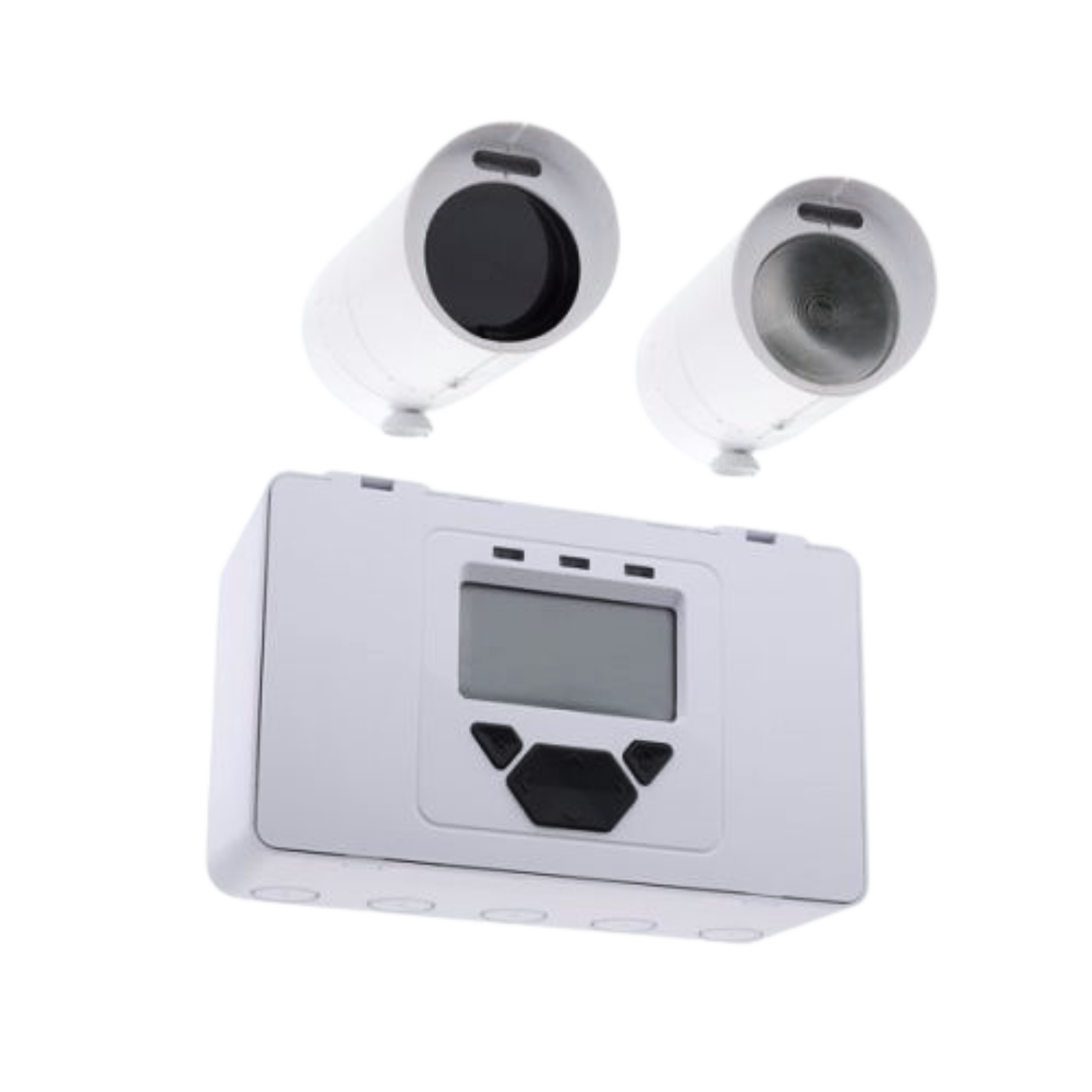
What is the main advantage of an end-to-end beam detector?
An end-to-end system like the Fireray 3000 uses a separate Transmitter and Receiver for detection. This configuration is highly reliable, especially over long distances (up to 120 metres), and is less susceptible to issues caused by reflective surfaces, making it ideal for complex or narrow building structures.
How does the Fireray 3000 prevent false alarms from sunlight?
The Fireray 3000 features patented Light Cancellation Technology (LCT), which uses advanced algorithms to actively analyse the environment and distinguish between genuine smoke events and other sources of infrared light, such as sunlight, sodium lamps, and fluorescent lighting, ensuring maximum reliability.
Can I manage the system without accessing the detectors on the ceiling?
Yes. The system is managed via a low level controller with a clear LCD display. This unit allows you to carry out alignment, testing, and fire and fault diagnosis from a safe, accessible location at ground level, eliminating the need for high-level access after the initial installation.
How many detectors can be connected to one controller?
Each low level controller can manage up to two individual detector heads (one pair of Transmitter/Receiver units is one detector). This allows you to protect two separate areas or a very large single area cost-effectively, with all diagnostics managed from a central point.
Is the Fireray 3000 suitable for both conventional and addressable fire alarm systems?
Yes. The Fireray 3000 is highly versatile. With separate fire and fault relays for each detector, it can be connected directly to a zone on a conventional fire alarm panel or seamlessly integrated into an analogue-addressable system using an addressable input/switch monitor module.
Fireray 3000 Ex d
Find answers to common questions about the Fireray 3000 Ex d beam smoke detector.
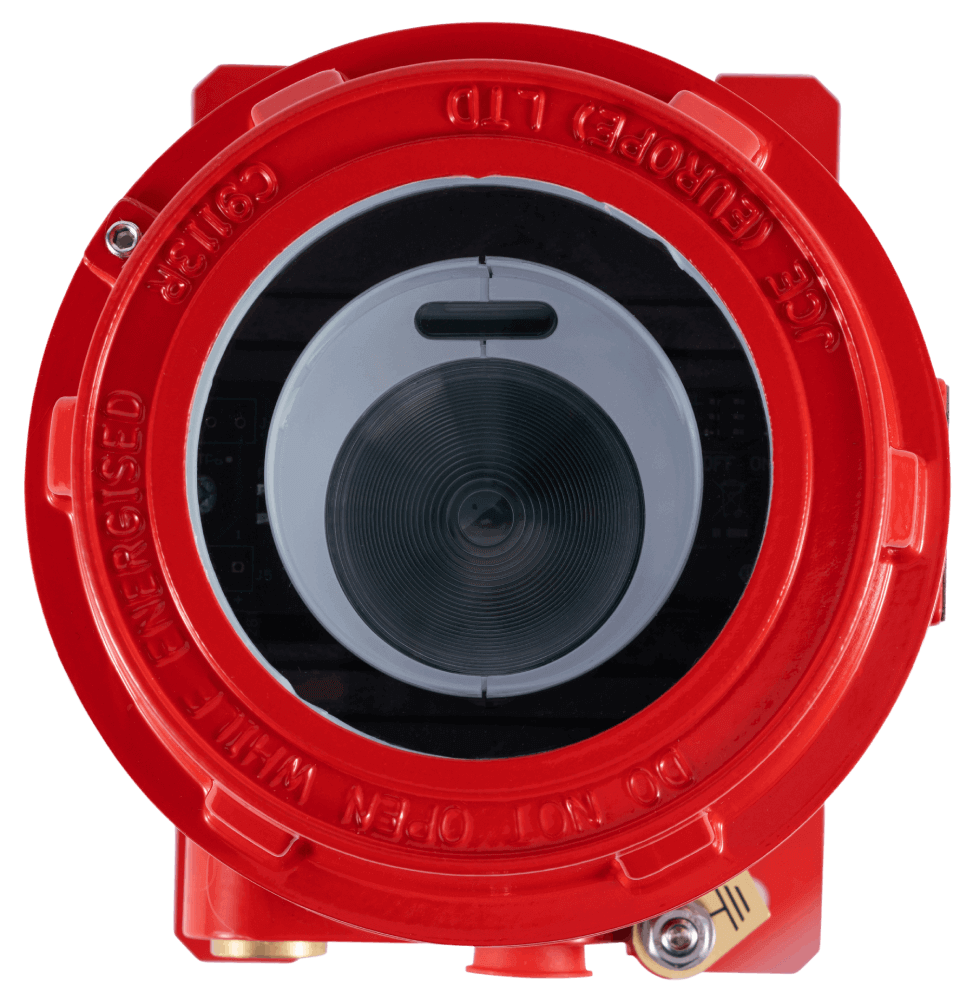
What does 'Ex d' certified mean?
The 'Ex d' certification indicates that the product has a flameproof enclosure. This means the housing is constructed to withstand an internal explosion from flammable gases or dusts and prevent it from propagating into the surrounding explosive atmosphere, ensuring safety in hazardous zones
In which specific environments can the Fireray 3000 Ex d be used?
It is designed for environments where flammable gases or dusts are present, such as chemical processing plants, oil and gas refineries, paint spray booths, and grain storage silos. It is certified for use in ATEX and IECEx Zones 1, 2, 21, and 22
How does the low level controller benefit the user?
The low level controller allows all system configuration, commissioning, and maintenance to be performed from a safe and convenient location on the ground. This eliminates the need for costly and high-risk access equipment to reach the detector heads, simplifying fire and fault diagnosis and reducing operational disruption
What is Light Cancellation Technology?
Light Cancellation Technology is an advanced FFE innovation that enables the detector to distinguish between smoke and other environmental factors, such as sunlight, sodium lamps, and fluorescent lighting. This significantly reduces the risk of false alarms, ensuring the system only activates in a real fire event
Can multiple Fireray 3000 Ex d systems be installed close to each other?
Yes. The system features dynamic beam phasing, which allows multiple units to be installed in close proximity or with overlapping beams without causing interference between them. This makes it ideal for protecting large or complex areas
Flame Detection
Find answers to common questions about flame detection.

Talentum 16000 IR2
Find answers to common questions about the Talentum 16000 IR2 flame detector.
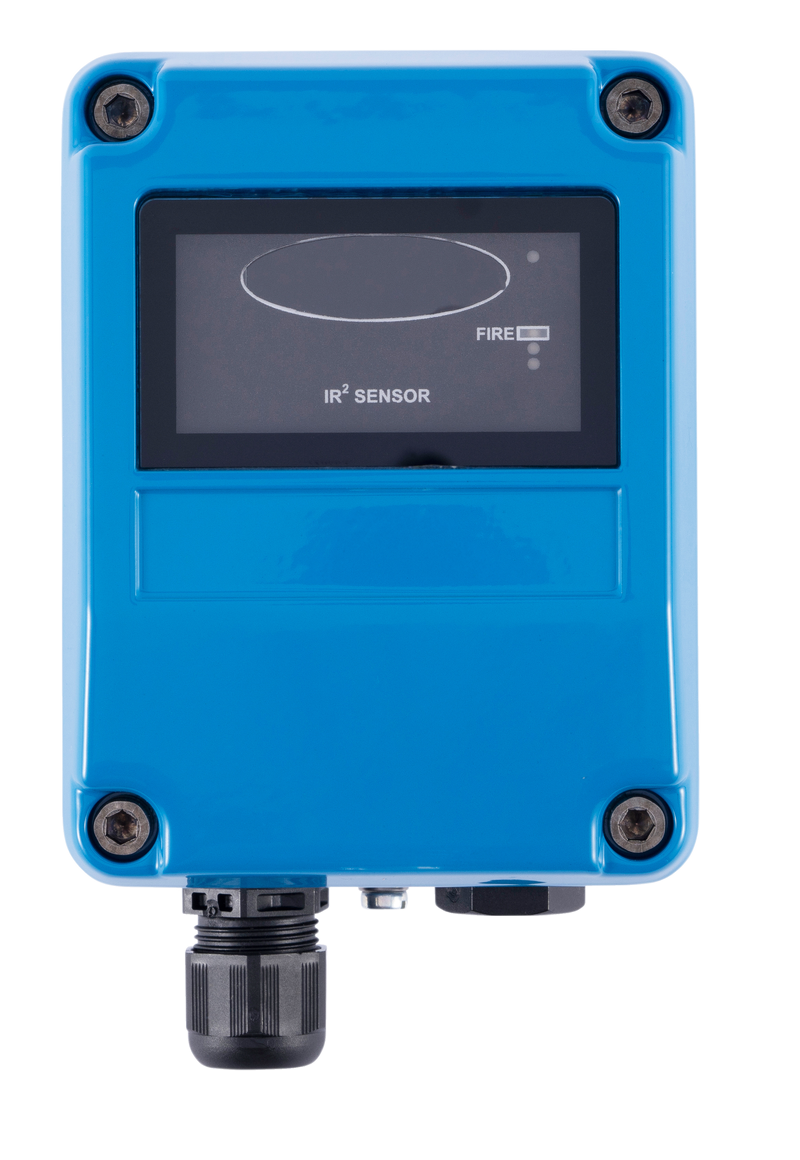
How does the Talentum IR2 prevent false alarms?
The detector uses two IR sensors that analyse the wavelength and flicker frequency of radiation from a fire. For an alarm to be triggered, the signals must match the characteristics of a real flame, allowing the detector to ignore false sources like sunlight or welding arcs.
What is the main difference between an IR2 and an IR3 flame detector?
An IR2 detector uses two infrared sensors, making it highly effective and immune to many false sources. An IR3 detector uses three sensors, providing an even higher degree of false alarm immunity, particularly from hot surfaces, making it suitable for more complex environments.
Can the Talentum IR2 detect fires with no visible flame?
Yes. The Talentum IR2 is specifically designed to detect the infrared radiation from a fire, not visible light. This makes it highly effective for detecting flames from fuels such as hydrogen, which are invisible to the human eye.
What kind of environments is the Talentum IR2 suitable for?
It is ideal for a wide range of industrial applications, including aircraft hangars, waste handling facilities, printing works, spray booths, and any area where flammable liquids or gases create a high fire risk.
Does the detector require regular maintenance?
The detector features an optical self-test function to verify its operation. We recommend regular visual inspections to ensure the viewing window is clean and unobstructed, in line with local codes of practice.
Talentum 16000 IR3
Find answers to common questions about the Talentum 16000 IR3 flame detector.
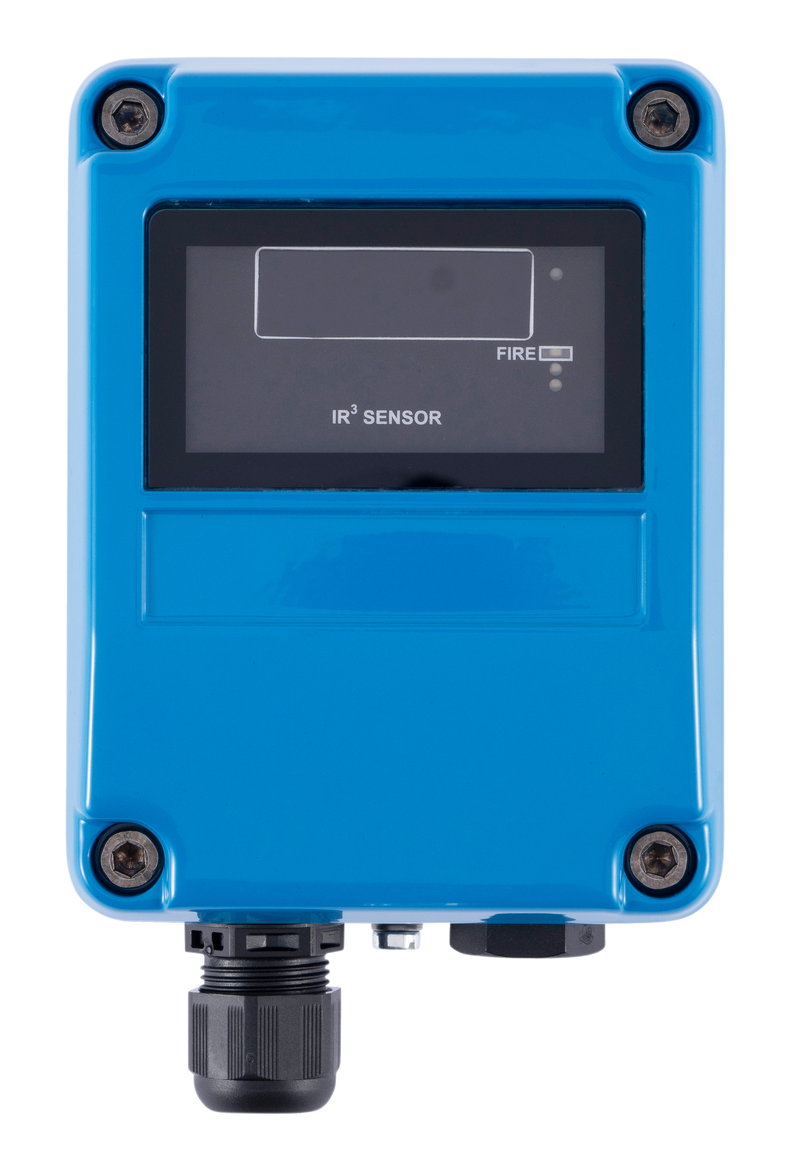
What makes the Talentum 16000 IR3 flame detector different from other flame detectors?
The Talentum 16000 IR3 uses advanced Triple IR (IR3) sensing technology, which allows it to offer superior false alarm immunity compared to standard UV/IR or single IR detectors. This makes it ideal for complex industrial environments where reliability is critical.
Can the Talentum 16000 IR3 be used in hazardous environments?
Yes, the Talentum 16000 IR3 is available in ATEX and IECEx certified models, making it suitable for use in hazardous areas where explosive gases or dust may be present.
How does the optical self-test feature work?
The built-in optical self-test function automatically checks the detector's optics and electronics for any blockages or faults, ensuring that it is always operating at peak performance without the need for manual intervention.
Is the Talentum 16000 IR3 suitable for outdoor use?
Yes, the Talentum 16000 IR3 is designed with a rugged housing, making it suitable for both indoor and outdoor applications. For added protection, a stainless steel weather shield is also available.
What is the typical detection range of the Talentum 16000 IR3?
The Talentum 16000 IR3 has a detection range of up to 40 metres, providing wide coverage for large, open areas and ensuring reliable flame detection across your facility.
Talentum 16000 UV IR2
Find answers to common questions about the Talentum 16000 UV IR2 flame detector.
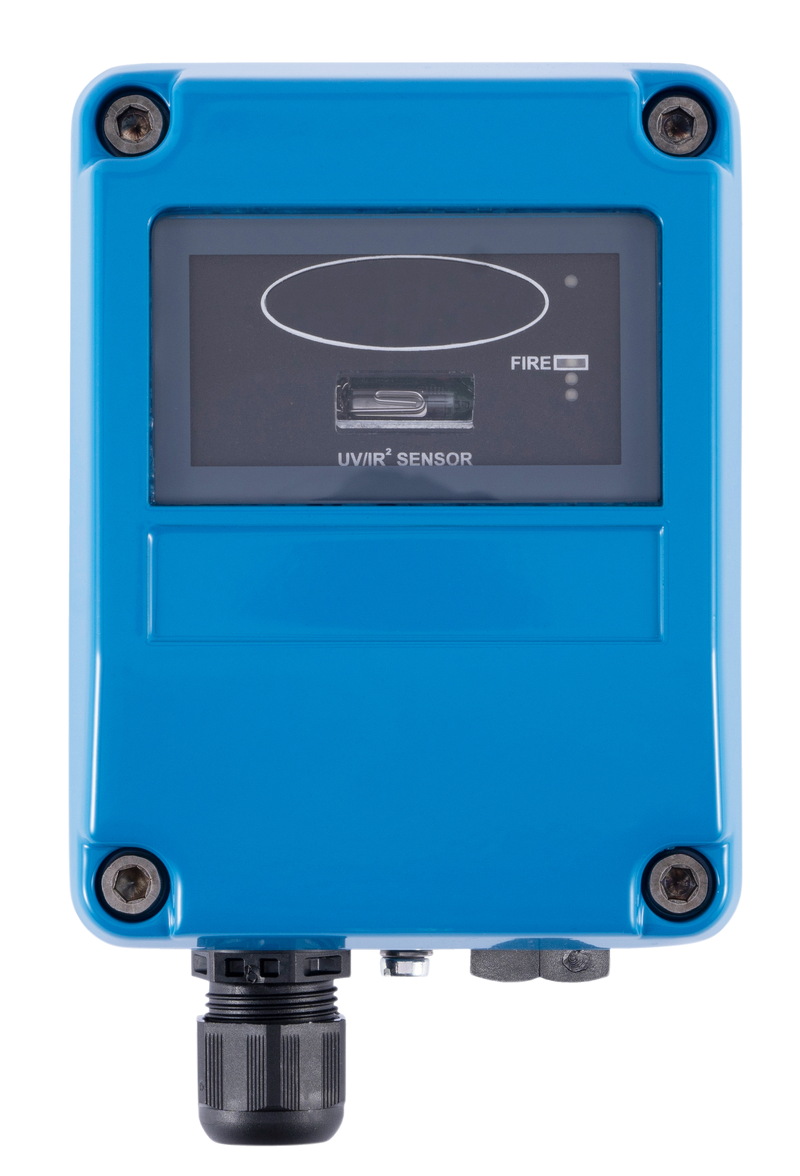
What types of fire can the Talentum UV/IR2 detect?
The Talentum UV/IR2 is designed to detect a wide range of fires, including those from hydrocarbon fuels (such as n-heptane), invisible flames from hydrogen, and fires from methylated spirits. Its dual-sensor technology makes it a versatile flame detection solution.
How does the detector prevent false alarms?
The detector’s intelligent algorithm requires signals from both the UV and the dual IR sensors to be present simultaneously before triggering an alarm. This method provides the highest immunity to false alarms from sources such as solar radiation, arc welding, and lightning.
What are the power requirements for this flame detector?
The Talentum UV/IR2 operates on a supply voltage of 14 to 30 Vdc. The quiescent current is as low as 3mA, making it a low-power device suitable for a variety of fire and fault monitoring systems.
Is the Talentum UV/IR2 suitable for outdoor use?
Yes. The flame detector is built with a robust die-cast zinc alloy housing and has an IP65 rating, making it suitable for both indoor and outdoor installations, including harsh industrial environments.
What approvals does the Talentum UV/IR2 hold?
The detector is certified to meet the requirements of EN54:10 and FM, ensuring it has been rigorously tested to internationally recognised standards for flame detection performance.
Talentum Test Torch
Find quick answers to your Talentum Test Torch queries.
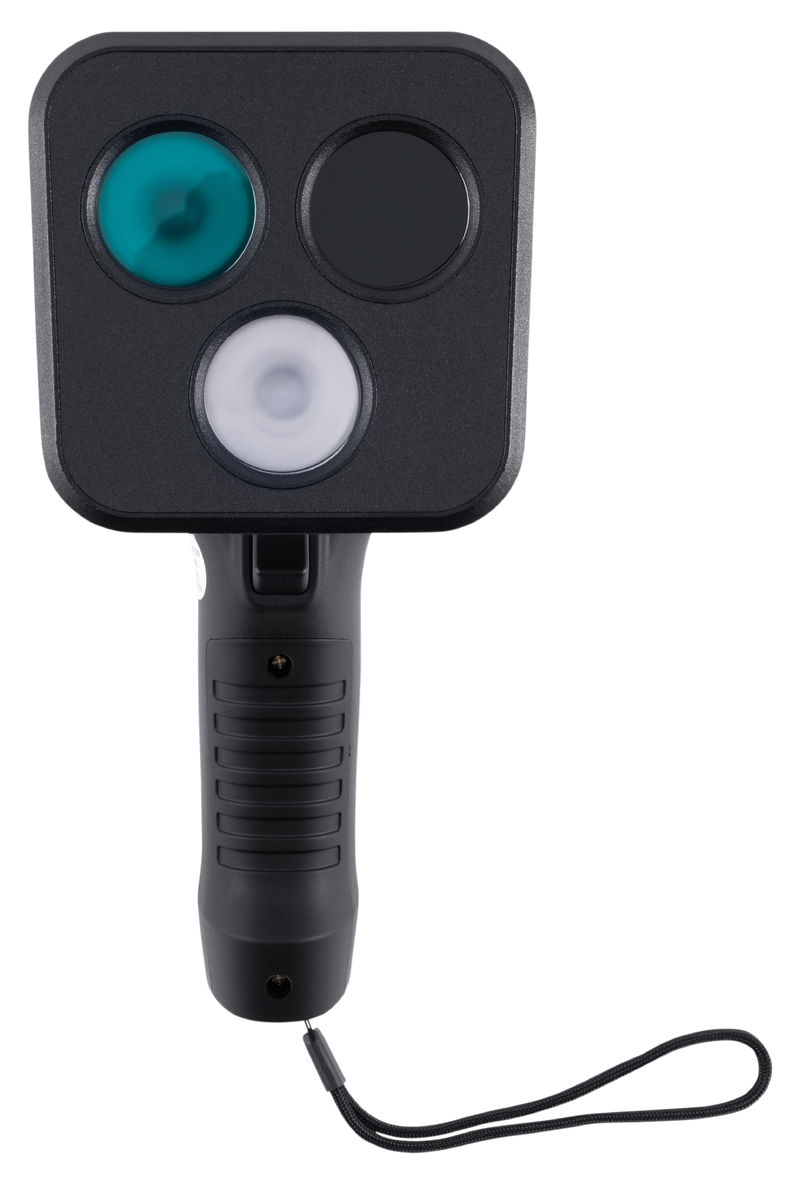
Can the Talentum Test Torch be used on all Talentum flame detectors?
Yes, it is compatible with the full Talentum detector range.
How far can the testing be performed from?
The Talentum 16000 Test Torch allows testing from a distance of 1m to 6m.
Is the Calibration Kit included?
The Calibration Kit is sold separately.
How does it simulate a flame?
It utilizes a combination of UV and IR bulbs to effectively mimic a flame spectrum.
What is its operational temperature range?
The operational temperature range is -10°C to +55°C.
Linear Heat Detection
Find answers to common questions about linear heat detection.
Proreact Fixed Detectors
Explore common inquiries about our Proreact Fixed linear heat detector.
How does Proreact Fixed handle false alarms?
The system only activates at the preset temperature, minimizing false alarms typical in unreliable environments.
What are the installation requirements for Proreact Fixed?
It requires basic installation tools and integrates smoothly with existing systems.
Is Proreact Fixed compatible with my current alarm system?
Yes, it's designed to work with both conventional and addressable panels.
What environments suit Proreact Fixed best?
Ideal for noisy, dusty, or temperature-variant conditions like tunnels and cold storage.
What happens when the fixed temperature is reached?
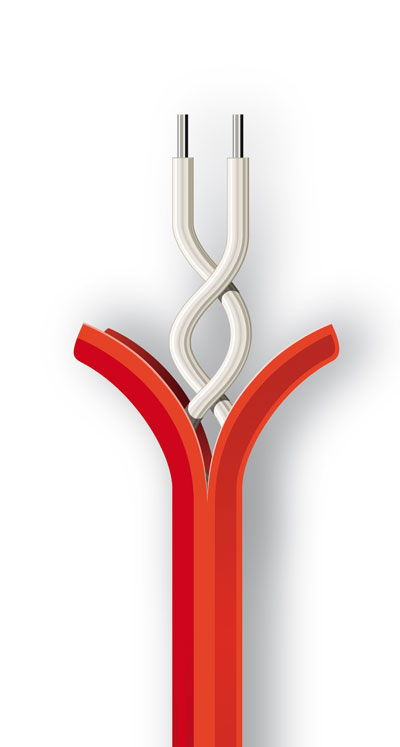
The two internal conductors contact, triggering the alarm for immediate response.
Proreact Programmable Detectors
Find the answers to the most common questions about our Proreact Programmable linear heat detector.
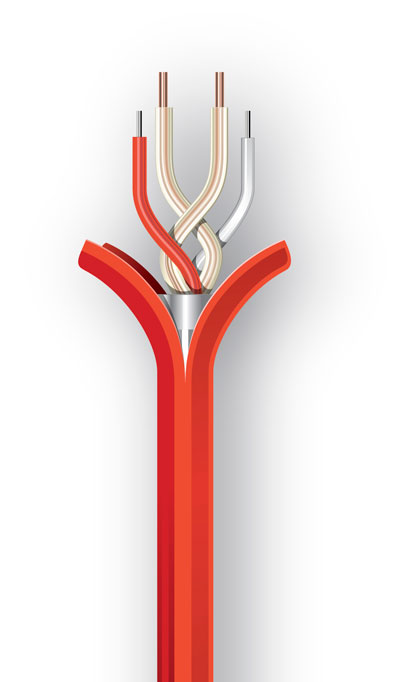
What makes a programmable linear heat detector different?
Unlike fixed temperature detectors, a programmable linear heat detector allows you to set two distinct temperature thresholds: a 'pre-alarm' for early warning and an 'alarm' for activation. This provides greater flexibility and control in managing fire risks.
How does the system prevent false alarms from ambient temperature changes?
The control unit continuously monitors and automatically compensates for gradual changes in the surrounding temperature. This ensures that an alarm is only triggered by a rapid temperature rise or when the specific alarm setpoint is reached, maintaining accuracy and reliability.
What is 'rate-of-rise' detection?
Rate-of-rise detection is a feature that triggers an alarm if the temperature around the sensor cable increases rapidly over a short period. This allows the system to detect fast-growing fires much earlier than a standard fixed-temperature detector.
Can this heat detector be integrated with an addressable fire panel?
Yes, the Proreact Programmable control unit is designed to be compatible with any conventional or addressable fire alarm system. It can be connected to an addressable loop using a standard switch or zone monitor.
What are the ideal applications for this type of heat detector?
This system is ideal for applications where temperature conditions fluctuate or where early warning is critical. Common uses include power generation facilities, oil and gas industries, tunnels, cable trays, and cold storage warehouses.
Technical Support/General
Find answers to common questions about FFE Technical Support.
Frequently asked questions and support
Who do I contact for technical support vs orders/aftercare?
Complete our contact form here and select the query type from the dropdown to ensure it is directed to the right team. Alternatively, you may call our Head Office on +44 (0) 1462 444 740.
What hours is technical support available?
Our UK office hours are Monday to Thursday 08:30 to 17:00, and Friday 08:30 to 16:00. Our technical team works from across the globe so you may get a response outside of these hours.
What information do you need from me to troubleshoot quickly?
Please send as much information as possible, including the product model, a detailed description of the fault or query, any helpful photos, whether the fault has occurred during installation or whether it is has occurred on a product that was previously working fault free, environment, and anything else that may help us to understand the query.
Where can I find manuals, datasheets, approvals, and wiring/commissioning guidance?
These, along with brochures and pocket guides, can be found on the relevant product pages under 'Resources' or you can browse the full library on our dedicated Resources page (filtering by product, document type and language). We also have a new look with our refreshed FFE Academy platform, where you can view these, along with case studies, blogs, product FAQs and webinars too.
Do you offer training/webinars and how do I book it?
We offer regular webinars covering a variety of applications and product training. You can book them here.
Is there a dedicated account manager for my company?
Yes, feel free to contact us to be put in direct contact with your account manager. Our Sales and Technical teams are displayed on our Contact page.
When it matters most,
our customers choose FFE
our customers choose FFE
FFE’s beam detectors were quick to install, easy to align, and performed flawlessly — even in a dusty warehouse environment. Their support team was responsive and incredibly knowledgeable. We’ll be specifying FFE on all future projects.
James Reynolds
Fire Systems Engineer, Axis Installations Ltd.
When it matters most,
our customers choose FFE
our customers choose FFE
FFE’s beam detectors were quick to install, easy to align, and performed flawlessly — even in a dusty warehouse environment. Their support team was responsive and incredibly knowledgeable. We’ll be specifying FFE on all future projects.
James Reynolds
Fire Systems Engineer, Axis Installations Ltd.
When it matters most,
our customers choose FFE
our customers choose FFE
FFE’s beam detectors were quick to install, easy to align, and performed flawlessly — even in a dusty warehouse environment. Their support team was responsive and incredibly knowledgeable. We’ll be specifying FFE on all future projects.
James Reynolds
Fire Systems Engineer, Axis Installations Ltd.
When it matters most,
our customers choose FFE
our customers choose FFE
FFE’s beam detectors were quick to install, easy to align, and performed flawlessly — even in a dusty warehouse environment. Their support team was responsive and incredibly knowledgeable. We’ll be specifying FFE on all future projects.
James Reynolds
Fire Systems Engineer, Axis Installations Ltd.
When it matters most,
our customers choose FFE
our customers choose FFE
FFE’s beam detectors were quick to install, easy to align, and performed flawlessly — even in a dusty warehouse environment. Their support team was responsive and incredibly knowledgeable. We’ll be specifying FFE on all future projects.
James Reynolds
Fire Systems Engineer, Axis Installations Ltd.